Story: The HUB
- Date of Investment
- June 2026
- Broadstreet Commitment
- $9 million in LISC NMTC allocation
- Sponsor/Borrower
- Houston Food Bank
- Investor
- Truist Community Development Capital
- Uses
- New construction of facility to deliver community services
- Impact Objective
- Expand access to food, expand access to health and wellness services, create quality jobs, increase economic mobility
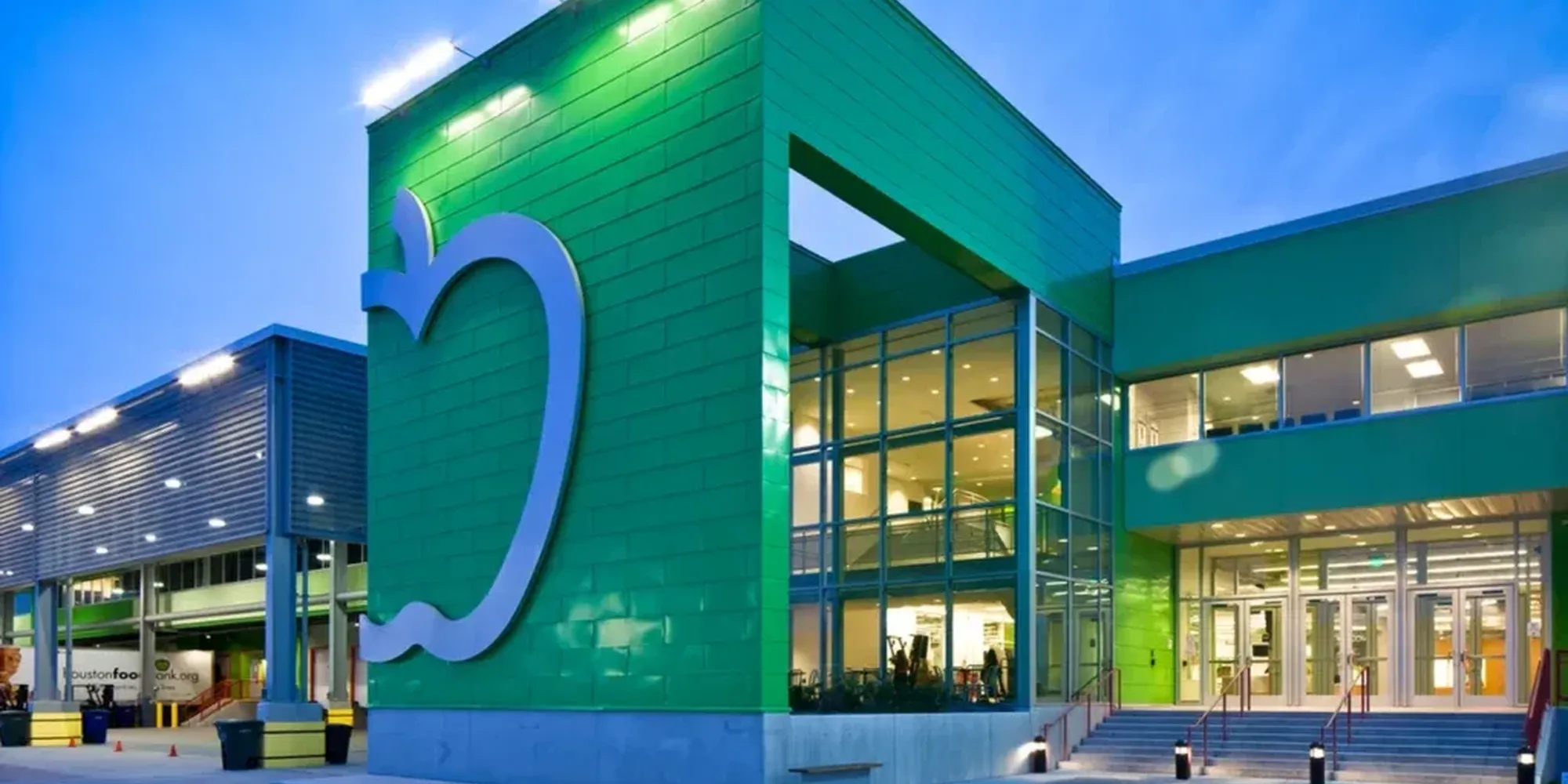
The Sponsor
Houston Food Bank (HFB) is the nation’s largest food bank, working each year with 1,600 food pantries and social service providers to deliver nearly 172 million pounds of food to people across 18 counties in Texas. It also offers programs designed to help people achieve long-term stability, focusing in particular on kids, families and seniors at risk of hunger and poor health.
The Project
HFB is leading construction of The HUB, a 310,00-square-foot facility in Northwest Houston that will house essential community organizations. They include HFB’s food distribution, warehouse, and volunteer operations, as well as a cafe; a new Federally Qualified Health Center (FQHC) operated by Hope Clinic; a new YMCA of Greater Houston recreational facility; and space for local nonprofits offering services that address the root causes of poverty and food instability, including programs focused on workforce development and financial resiliency.
The $147.9 million project is tapping $85.5 million in federal New Markets Tax Credits (NMTCs) from eight different community investment organizations, including $9 million committed by Broadstreet on behalf of the Local Initiatives Support Corporation (LISC). It reflects Broadstreet’s strategic priorities to help communities improve their health and expand access to quality jobs. Truist Community Capital is the NMTC investor.
The HUB directly addresses several social determinants of health. By expanding the number of people that HFB serves, it responds to rising food insecurity, which affects 1 million people in HFB’s 18-county service area as well as another 2.4 million who are at risk of food insecurity. Through the new FQHC, the project also expands health services for 7,300 people in a Medically Underserved Area who might not otherwise be able to access the care they need. It offers a community recreation center to help people increase physical activity and access youth services. And it expands the reach of social services that help people with low incomes increase their economic mobility.
The Impact
Without NMTC financing, the project would likely have been scaled back and delayed. HFB would have had to tap contributions earmarked for operations and client services to support construction, which would limit opportunities for at-risk residents at a time when many have seen their public benefits reduced. And it might have had to resort in charging nonprofit tenants to help support the project, further pulling resources from the services they provide.
Instead, NMTCs brought affordable financing to help bridge critical gaps in a community where residents struggle with high rates of unemployment and poverty. The financing is helping support at least 258 new permanent jobs at the site, in addition to the 14 existing HFB jobs it helps retain.
The Impact
- $9M LISC NMTC allocation
- 258 new permanent jobs at the site
- 14 existing HFB jobs retained